
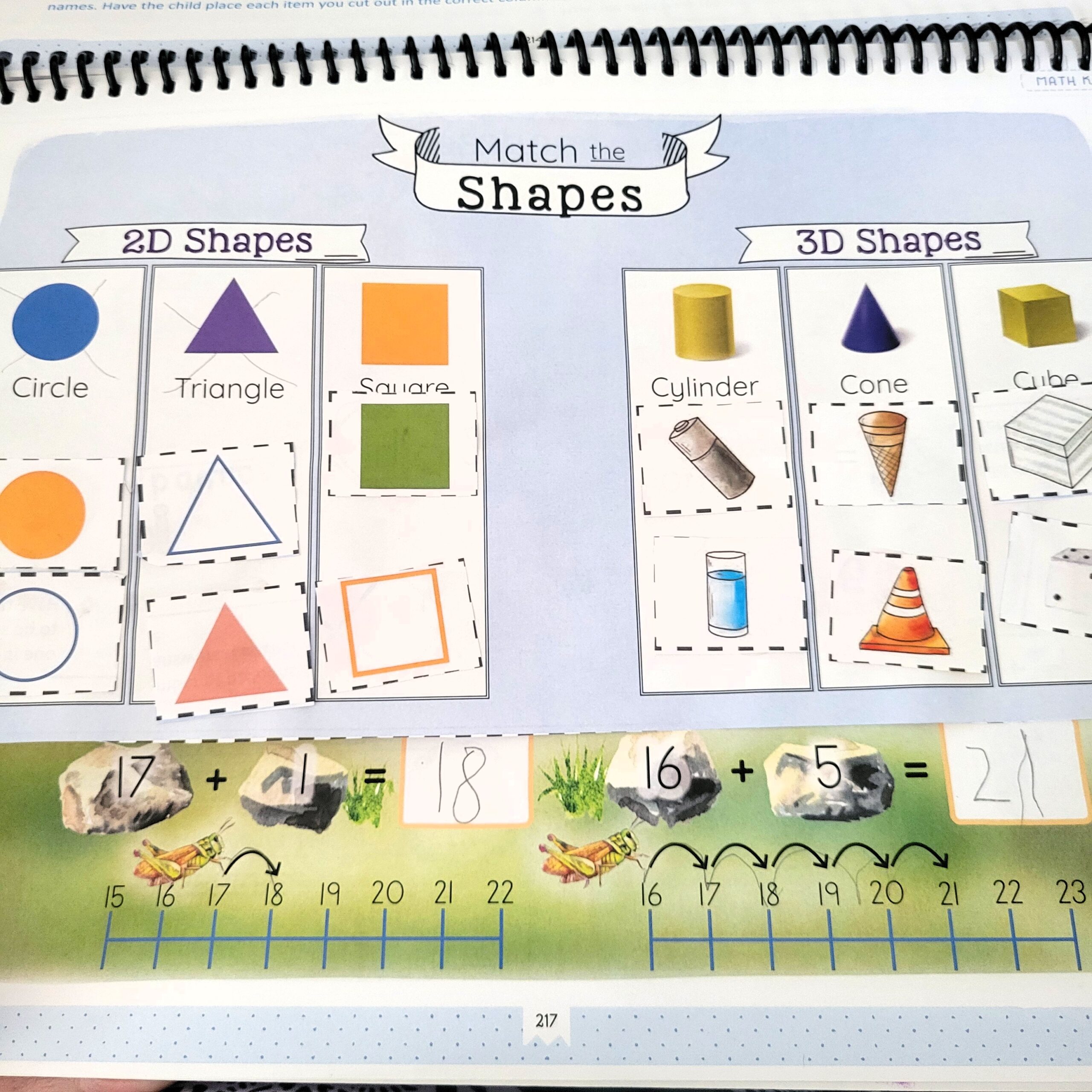
We just wrapped up The Good and The Beautiful Math K, and overall, it was a wonderful fit for our homeschool year. When you finish an entire curriculum, you get a much clearer picture than you do after only a few weeks. You see what keeps your child e ngaged, what becomes frustrating, what actually gets completed, and what helps learning stick.
For our family, this math program was a win.
If you are considering Kindergarten math options and wondering whether this curriculum is worth trying, here is our honest review after completing the full book.
What We Loved About The Good and The Beautiful Math K
1. The Lessons Were Quick and Manageable
One of the biggest strengths of this curriculum was the lesson length.
Most lessons took us around 20 minutes or less, which was ideal for Kindergarten. At this age, attention spans are still developing, and long workbook sessions can turn math into a battle quickly.
Because the lessons were short:
- My child stayed focused
- We usually finished before frustration started
- Math felt doable every day
- We had time left for games, reading, or outdoor play
This helped us build consistency, and consistency matters more than marathon lessons in the early years.
2. The Pace Felt Just Right
Some Kindergarten math programs move too slowly and become repetitive. Others rush too quickly into abstract concepts before a child is ready.
This one felt balanced.
There was enough review to reinforce learning, but enough forward movement to keep things interesting. We rarely felt stuck or overwhelmed.
That steady pace helped build confidence throughout the year.
3. Every Day Felt Different
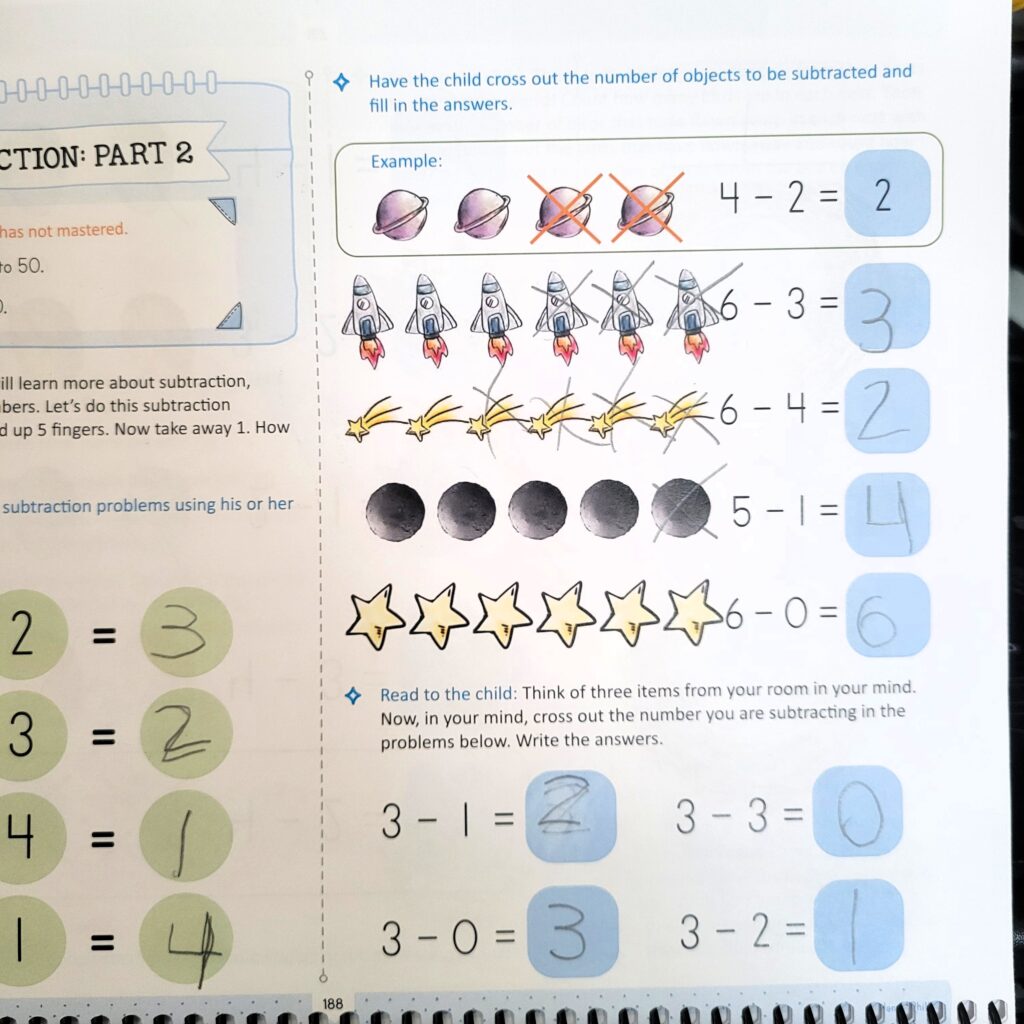
One thing we especially appreciated was the variety.
Instead of spending weeks focused on only one topic (such as coins, clocks, or shapes) the curriculum introduced concepts in a more mixed approach. One day might include counting, another patterns, another measuring, another time, another addition practice.
That variety helped in several ways:
- Prevented boredom
- Kept curiosity high
- Helped concepts stay fresh
- Allowed review naturally over time
- Mimicked how real learning works
Children often benefit from revisiting topics in smaller chunks over time rather than one long unit followed by never seeing it again.
4. The Illustrations Were Beautiful and Inviting
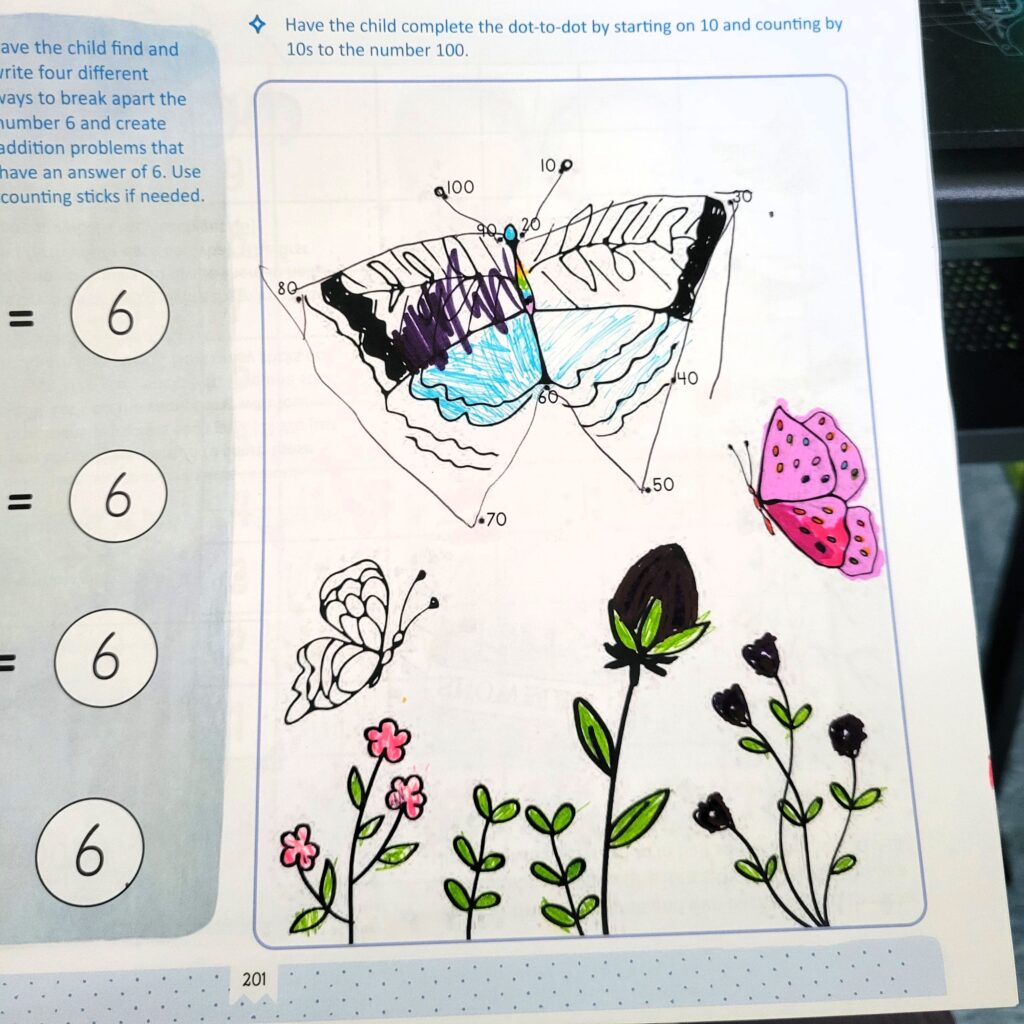
The Good and The Beautiful is known for attractive materials, and Math K was no exception. The pages were bright, cheerful, and visually calming. The illustrations helped make workbook time feel enjoyable rather than dry.
For young learners, presentation matters more than many adults realize. A warm, inviting page can make a child much more willing to sit down and participate.
5. The Hands-On Math Kit Added So Much Value
We did not purchase the official math kit. Instead, we created our own version using items we already had.
That worked wonderfully.
We used things like:
- Popsicle sticks for counting and grouping
- Dice for number games
- Small toys and manipulatives
- Toy cars to make deliveries on maps in the workbook
Those hands-on elements made the lessons stronger. Kindergarten children learn best when they can move, touch, sort, count, build, and play.
If you are on a budget, know that you can absolutely create your own math kit and still get excellent results.
What This Curriculum Is Best For
In our experience, The Good and The Beautiful Math K is a great fit for families who want:
- Gentle but consistent daily math
- Short lessons
- Beautiful open-and-go pages
- Variety instead of repetitive drills
- Hands-on learning opportunities
- A solid Kindergarten foundation without overwhelm
What to Consider Before Buying
Every family is different. If your child loves intense repetition of one concept for long stretches, you may prefer a different style. If you want highly rigorous mastery-based drilling, this may feel gentler.
But for many Kindergarteners, gentle + consistent + engaging is exactly what works.
Our Final Thoughts
We truly enjoyed using The Good and The Beautiful Math K this school year.
It kept math light, steady, and enjoyable. That matters at this age. Kindergarten does not need to feel heavy to be effective.
Sometimes the best curriculum is not the one that looks hardest—it is the one your child actually completes, understands, and enjoys.
For us, this one did exactly that.
Would We Recommend It?
Yes—especially for families wanting a peaceful, age-appropriate Kindergarten math year. And if you do not want to buy every extra kit, don’t let that stop you. A homemade basket of simple manipulatives can go a long way.