
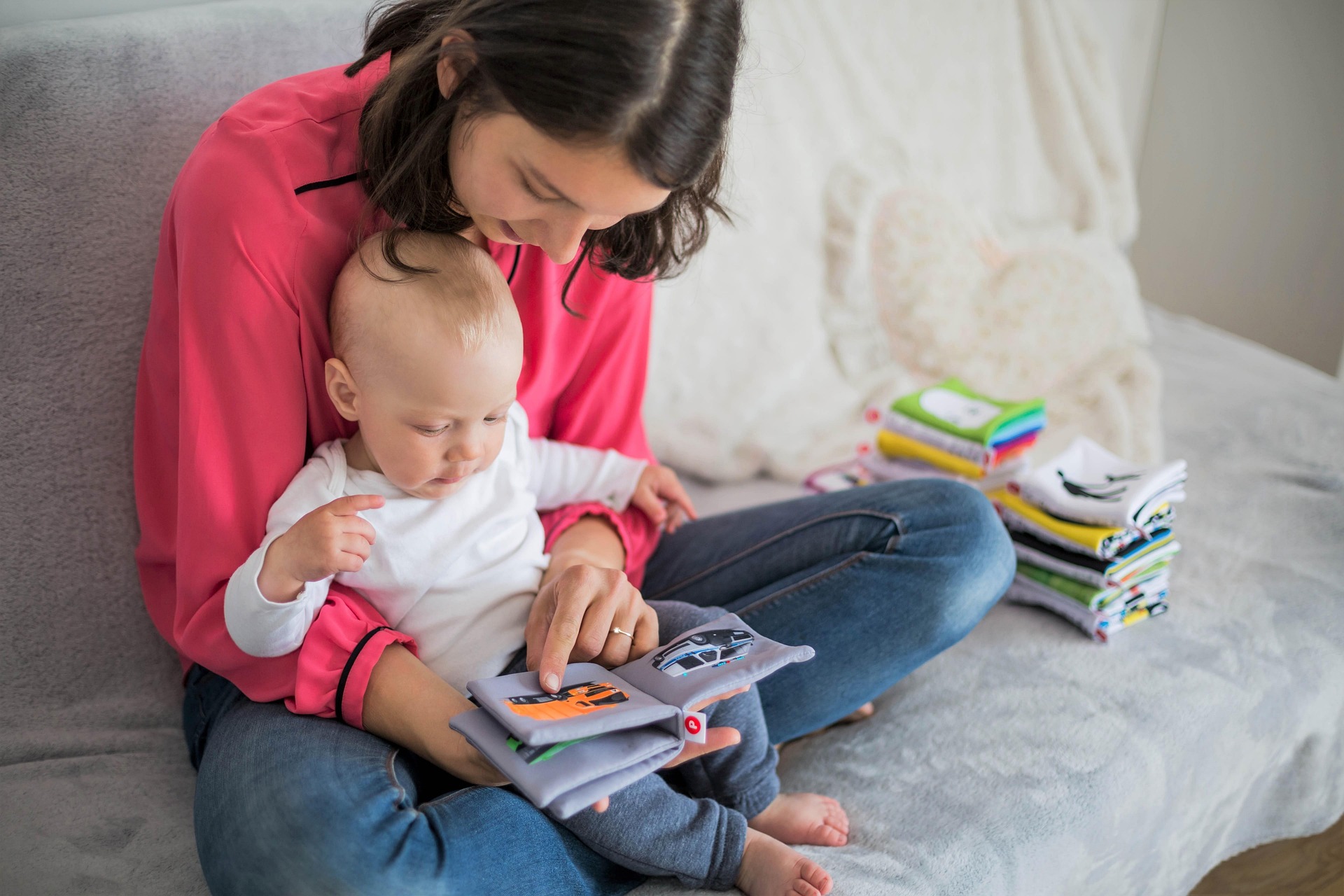
If you’ve ever tried to read aloud to a toddler, you already know the reality: they don’t sit still. They wiggle, wander, stack blocks, flip pages ahead of you, attempt to steal the book entirely, and sometimes seem completely uninterested in what you’re saying.
It can feel discouraging, especially when you picture cozy story time moments where your child sits quietly, fully engaged from beginning to end. But here’s the truth most parents don’t hear enough:
Stillness is not a requirement for learning.
In fact, allowing your child to move, play, or color during read-alouds can actually improve their ability to listen, process, and enjoy books over time.
Listening Doesn’t Always Look Like Attention
One of the biggest mindset shifts in early childhood education is understanding that listening and attention don’t always look the way we expect.
Young children (especially infants, toddlers, and even early elementary-aged kids) process information differently than adults. Movement helps them regulate their bodies. It helps them focus.
So when your child is:
- Building with blocks
- Flipping through another book
- Coloring quietly
- Or even walking around the room
…it doesn’t mean they aren’t listening. In many cases, they are absorbing far more than we realize.
Why Letting Them Play Actually Works
When you “power through” a read-aloud while your child plays, you’re doing something incredibly valuable:
You’re building a language-rich environment without pressure.
Here’s what’s happening behind the scenes:
1. You’re developing listening stamina naturally
Instead of forcing attention, you’re allowing it to grow. Over time, your child begins to tune in for longer stretches.
2. You’re reducing resistance to books
If reading feels restrictive (“sit still, be quiet”), kids push back. If it feels relaxed and enjoyable, they lean in.
3. You’re strengthening comprehension through low-pressure exposure
Even partial listening builds vocabulary, sentence structure awareness, and story familiarity.
4. You’re respecting developmental readiness
A toddler’s job is to move and explore. Working with that, not against it, sets a stronger foundation.
The Transition: From Play to Focus
Something interesting happens when you stay consistent with this approach:
Kids grow into it.
At first, they may barely seem engaged. Then you’ll notice:
- They pause what they’re doing during exciting parts
- They repeat phrases from the story later
- They ask questions about what you read
- They start sitting for small portions of the book
Eventually, many children begin to choose to sit and listen—because they’ve learned that books are enjoyable, not forced.
Why Coloring Is a Game-Changer for Older Kids
As children grow, their need for movement doesn’t disappear—it just becomes more manageable. This is where something simple like coloring during read-alouds becomes incredibly effective.
Giving your child something to do with their hands:
- Reduces fidgeting
- Helps them stay physically regulated
- Frees up their mind to focus on listening
It’s similar to how many adults focus better while doodling, taking notes, or even pacing.
And practically speaking? It turns read-aloud time into something calm, consistent, and sustainable—especially if you’re reading longer chapter books.
What This Looks Like in Real Life
Your read-aloud time might look like this:
- A toddler playing on the floor while you read aloud nearby
- A preschooler flipping through pictures while half-listening
- A kindergartener coloring quietly at the table
- An older child building LEGO while following along with a chapter
It may not look picture-perfect—but it works.
A Gentle Encouragement for Parents
If you’ve ever felt like giving up on read-alouds because your child won’t sit still, don’t.
Keep going.
You’re not just reading a book—you’re:
- Building attention over time
- Modeling a love of reading
- Creating positive associations with stories
- Laying the groundwork for lifelong learning
Even when it feels like it’s not “working,” something is taking root.
The Long-Term Payoff
Children who grow up in environments where reading is consistent, relaxed, and enjoyable are far more likely to:
- Develop strong listening skills
- Enjoy books independently
- Engage in longer, deeper reading later on
And it often starts in the most unassuming way…
With a child playing on the floor while a parent reads anyway.
Bottom line:
You don’t need a perfectly attentive child to have a successful read-aloud time. You just need consistency, patience, and a willingness to meet your child where they are.
Let them move. Let them play. Let them color. And keep reading.