
This post contains affiliate links, which means I may earn a small commission at no extra cost to you if you choose to purchase through these links. I only share resources we personally use or genuinely recommend in our homeschool.
Letter writing in Kindergarten doesn’t have to look like filling out endless handwriting sheets or copying sentences over and over. In fact, some of the most meaningful early writing happens when children are simply invited into real communication.
At this age, kids are learning that writing has a purpose. It’s not just forming letters correctly—it’s about sending a message to someone who matters.
The good news? You can teach letter writing beautifully using picture books, simple conversation, and hands-on “real life” writing experiences.
Why Letter Writing Matters in Early Learning
Before children can write independently, they need to understand three big ideas:
- Writing is a way to communicate
- Letters have structure (greeting, message, closing)
- Their thoughts are worth sharing
When kids see writing as something real (not just a worksheet task), they are far more motivated to engage. That’s why letter writing is one of the easiest and most natural early writing skills to teach—especially in Kindergarten.
Step 1: Start With Read-Alouds That Show Real Letters
Instead of starting with a worksheet, start with books that are letters.
Some of our favorites include:
- Dear Beast by Dori Hillestad Butler
- Dear Stray by Kirsten Hubbard
- A Letter to My Cat: Notes to Our Best Friends (Crown Archetype)
When reading, we don’t rush through the story. We pause often and notice:
- Who is the letter written to?
- How does the writer begin?
- What feelings are being shared?
- How does the letter end?
In A Letter to My Cat, we especially enjoyed choosing a few favorite cats and reading the letters written to them. It turned into a natural conversation about how people write differently depending on who they are talking to.
This is where the foundation is built: children begin to recognize that letters are personal, not mechanical.
Step 2: Teach the “Bones” of a Letter (Without Overwhelm)
At this stage, keep it very simple. We focus on three parts:
1. Greeting
“Dear ___”
2. Message
What do you want to say?
3. Closing
“Love,” “From,” or “Your friend”
We don’t worry about perfect spelling or punctuation at first. The goal is structure and confidence.
Step 3: Turn Your Child Into a “Real Writer”
One of the most effective strategies for early writers is shared writing.
Here’s what that looks like in practice:
- Ask your child who they want to write to
- Let them say their message out loud
- Write it lightly in pencil for them
- Have them trace over your writing
- Read it back together
This step is powerful because it removes the frustration barrier. Your child is still the author—they are just getting support with the physical mechanics.
Over time, you’ll notice they start to imitate the structure on their own.
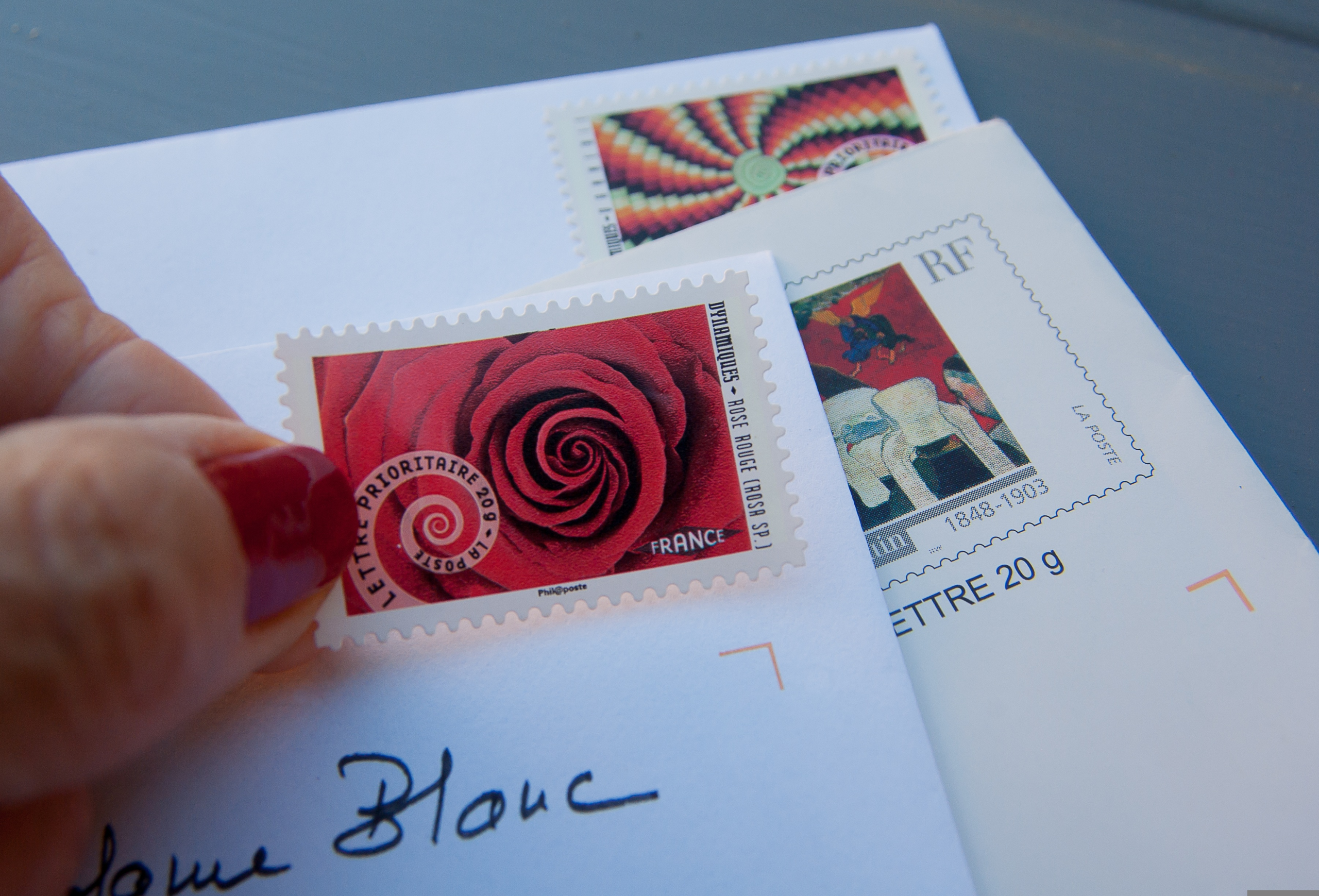
Our Experience: We asked our child who she wanted to write to and she decided to write a letter to her grandma’s dog. We wrote the letter and then she helped add a stamp and place the letter in the mailbox. A few days letter, her grandma (and grandma’s dog) video called us. It brought our child so much joy hearing about how her letter made it to its destination and she loved hearing her letter read aloud to the dog. It gave her such a confidence boost that she wrote another letter later that day to give to our cats.
Step 4: Make Letter Writing Playful and Real
Once they understand the basics, turn it into a real-life experience.
Try:
- Writing letters to grandparents
- Sending notes to siblings
- Leaving messages for the mail carrier
- “Mailing” notes around the house
- Writing thank-you notes after special events – this is something we really focus on in our house because we know it is so important to express gratitude for those who give us gifts or their time.
The more real the audience, the more meaningful the writing becomes.
Step 5: Add Fun Through Hands-On Practice
This is where creativity makes the skill stick.
Children love when writing feels like play, so we incorporate:
- Sticker “stamps” on envelopes
- Coloring their own stationery
- Folding paper into envelopes – This is a favorite for my child.
- Delivering mail around the house
These small touches turn letter writing into something they want to do again.
Free Printable: Kid Letter Writing Kit
To make this easy to start at home, I’ve created a simple Kid Letter Writing Kit you can download and print.
It includes:
- Blank letter template (with guided writing lines)
- Envelope cut-and-fold page
- “Who can I write to?” idea list
(family, pets, teacher, mail carrier, friends, etc.) - Sticker stamp page for pretend mail
This is perfect for first-time writers who need structure without pressure.
Final Thoughts
Letter writing in Kindergarten is not about perfection—it’s about connection. When children see that their words can travel to someone else and bring joy, writing stops being an assignment and becomes communication. And once that shift happens, everything else—handwriting, spelling, grammar—becomes much easier to build later. If you start with books, conversation, and real purpose, you’re not just teaching letter writing. You’re teaching your child that their voice matters.